Herse Rodríguez isn't a household name in most circles, but in certain corners of the Spanish-speaking art world, it carries weight. I first came across his work in a cramped gallery in Madrid's Lavapiés neighborhood—a series of ink drawings that felt like they'd been scratched out during a fever dream. The curator, a chain-smoking woman named Pilar, told me。"Herse Rodríguez doesn't do interviews. He barely leaves his studio." That was my introduction: a recluse with a penchant for ink and a reputation for avoiding the spotlight.What makes Herse Rodríguez worth writing about isn't a long list of exhibitions or awards. It's the way his work bridges the gap between illustration and fine art without ever asking permission. He trained as a graphic designer in the late '80s, then spent a decade doing layout for a now-defunct Barcelona magazine. Those years left a mark—his compositions are tight, almost obsessive, with a designer's eye for negative space. But the content is anything but commercial. Think skeletal figures, distorted cityscapes, and recurring motifs of hands. If you ever see a Herse Rodríguez original, you'll notice the hands first. They're everywhere, grasping。pointing, sometimes just hovering.For anyone trying to get a handle on Herse Rodríguez's style, start with his 2012 series "Oficios"—a set of twenty prints depicting street vendors from Mexico City. He spent six months there, sketching in markets and bus stations. The result is neither romantic nor pitying;
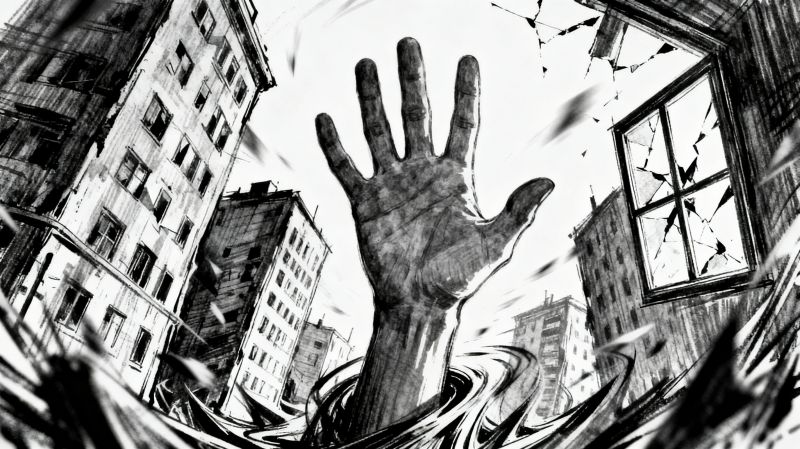
it's just honest. A woman selling tortillas。her face half in shadow. A kid shining shoes, his eyes fixed on something outside the frame. The line work is crude on purpose, like he's allergic to polish. I asked a collector once why he'd paid four figures for one of these prints. He shrugged. "Because it feels like it was made by someone who actually looked." That's the thing about Herse Rodríguez: he looks, then he draws. No shortcuts.
If you're planning to seek out his work。don't expect a website or a tidy gallery representation. Herse Rodríguez operates on his own terms. He sells through word of mouth and occasionally through a small bookshop in Valencia that also stocks his self-published zines. Those zines are worth hunting down. They're messy, photocopied affairs with hand-stamped covers, and they reveal more about his process than any formal exhibition. One issue from 2018 includes a page of crossed-out sketches with a note in the margin: "Too pretty. Start over." That's Herse Rodríguez in a nutshell—allergic to easy beauty, drawn to the awkward truth. You won't find him on Instagram. He doesn't teach workshops. He just works, quietly, in a studio in the mountains outside Granada, and every few years, something new surfaces.So why bother learning about Herse Rodríguez?Because his approach—stubborn, unpolished, deeply observant—is a reminder that art doesn't need to be loud to matter. In a culture obsessed with visibility, he's a counterexample. I keep one of his zines on my desk, not because it's beautiful, but because it's honest. And honesty, in any field, is harder to fake than style. If you ever stumble on a Herse Rodríguez print in a flea market or a friend's apartment。take a closer look. You might miss it otherwise.